

 January 30, 2026
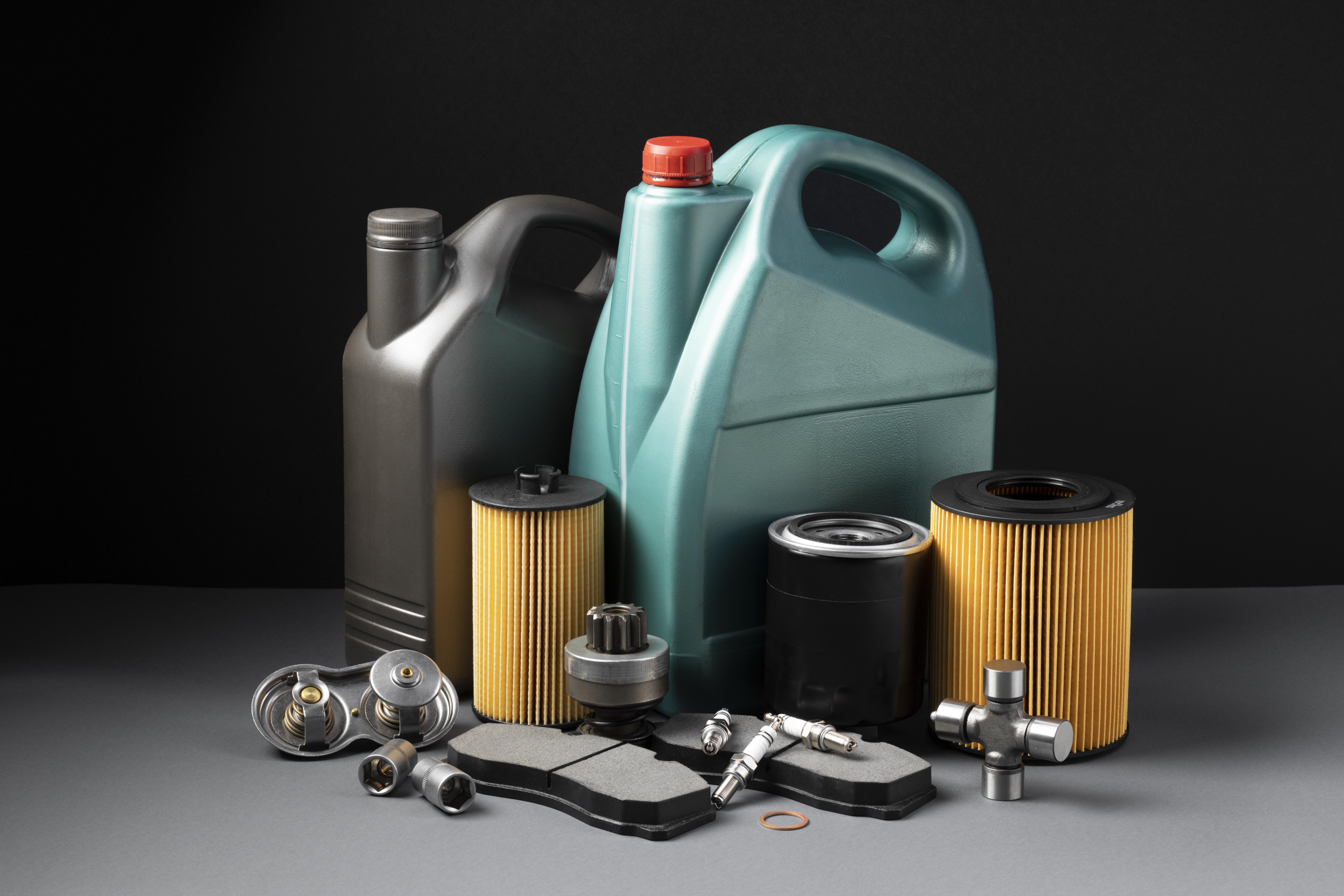
First Brands Group, a large Cleveland-area auto parts supplier that owned well-known aftermarket brands such as FRAM oil and air filters, TRICO and ANCO windshield wiper blades, Raybestos brake components, and Autolite spark plugs, filed for Chapter 11 bankruptcy in late 2025 after amassing billions in debt. While in early January 2026, it was seeking a buyer to help it continue operations, in late January 2026, Ford and GM stepped in to prepay to allow First Brands to continue to operation in the near future, as those auto manufacturers’ supply chains rely on First Brands’ products. First Brands’ long-term future is unclear.
Federal prosecutors and bankruptcy filings allege that the company reported revenue based on fabricated and inflated invoices, including bills for sales that never actually occurred. These invoices were then used to secure financing from lenders, making the company’s financial performance appear stronger than it really was. When First Brands later collapsed under its financial obligations, lenders discovered that the reported revenue did not match real business activity, contributing to the company’s massive debt and ultimate bankruptcy.
Discussion Questions
- How could inflating revenue with fake invoices affect net income in a period?
- First Brands owned familiar names like FRAM and TRICO. Does the presence of well-known brands automatically mean a company’s financial statements are trustworthy? Why or why not?
- Who relies on accurate revenue and expense reporting, and how might investors or lenders be misled if the revenue numbers on financial statements are based on fabricated transactions?
- How could overstating revenue and net income contribute to a company eventually filing for bankruptcy?

 Accounting in the Headlines
No comments yet... Be the first to leave a reply!